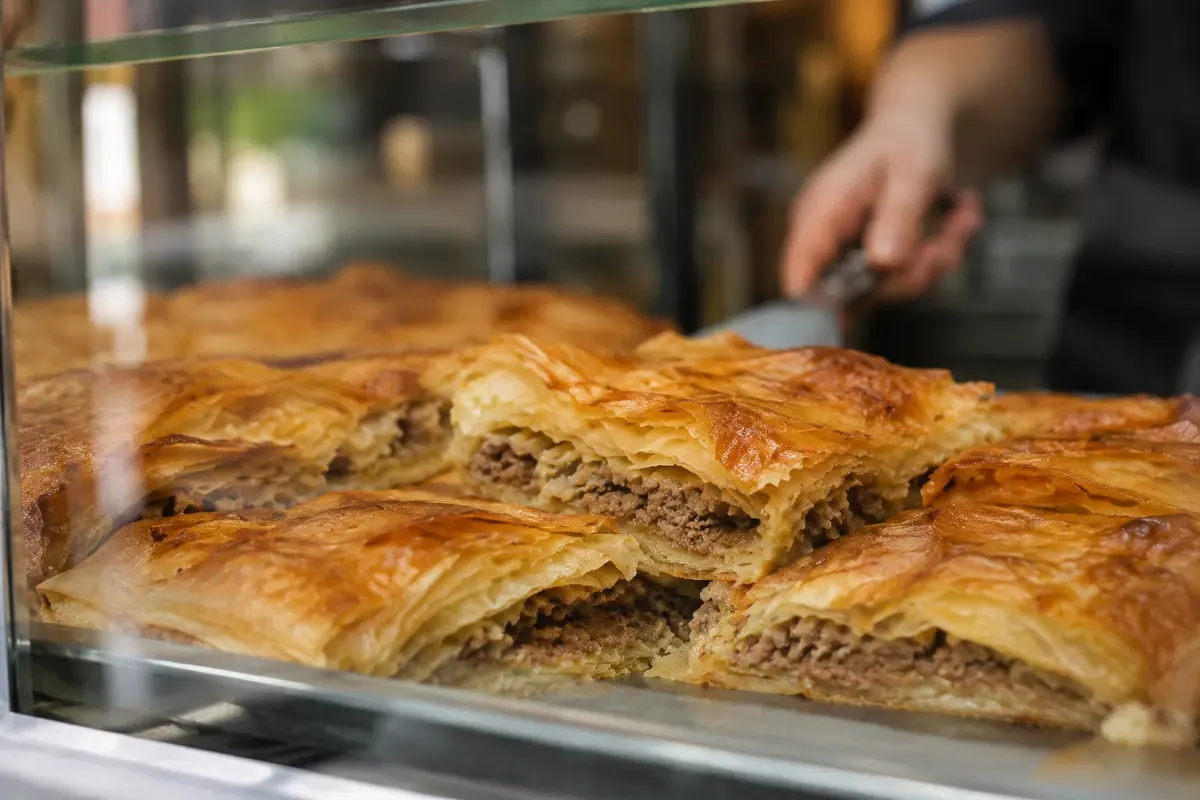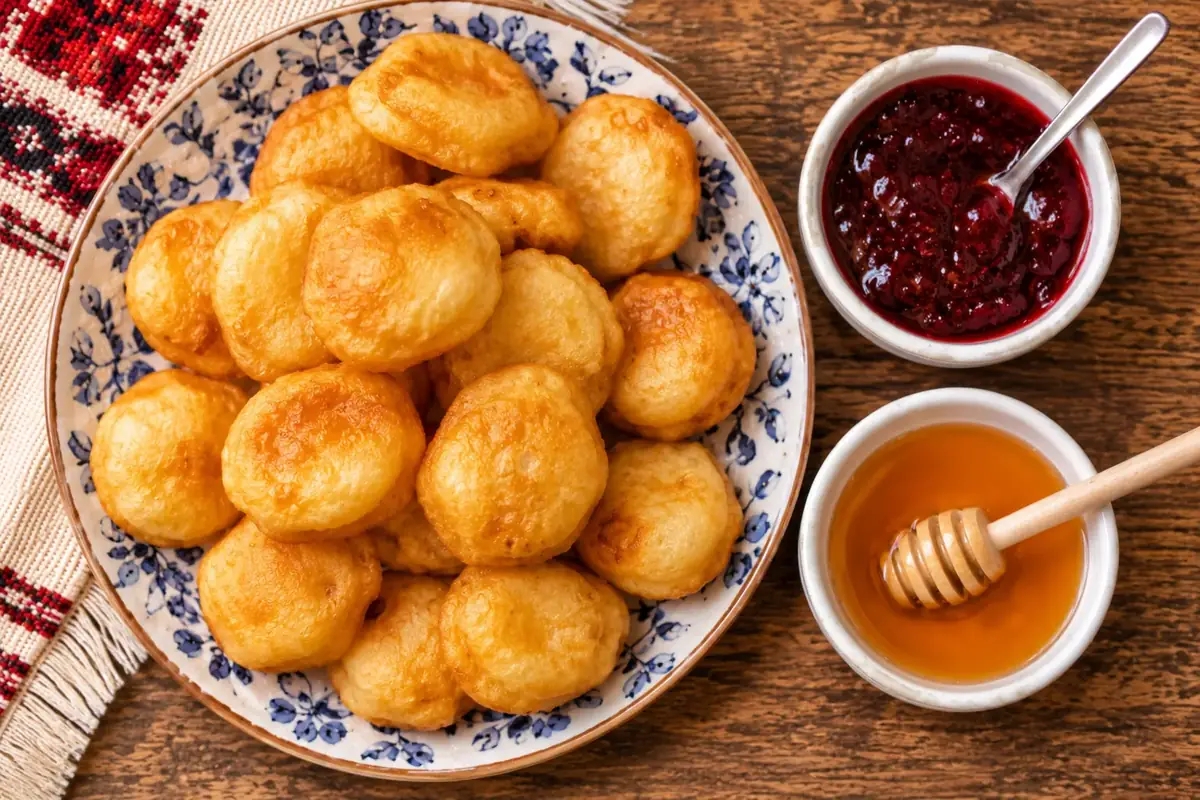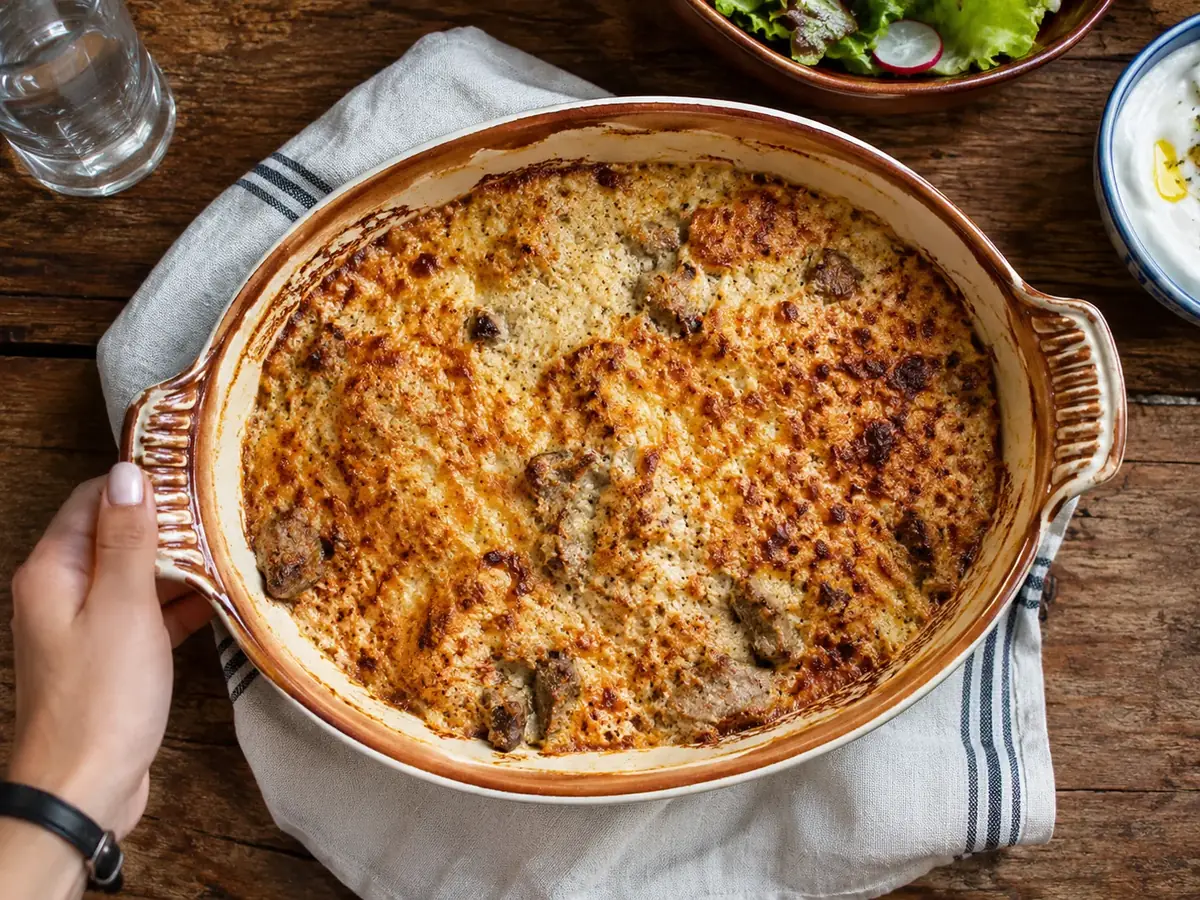
Traditional Albanian food is Mediterranean home cooking with an Ottoman accent: slow-baked dishes like tavë kosi (lamb baked in yogurt) and fërgesë, layered pastry-shell pies like byrek, lakror and fli, grilled qofte (meatballs), stuffed vegetables, fresh white cheese, olive oil, mountain herbs, and a glass of raki to finish. Recipes change from the mountains of the north to the coast and the south, but almost everything is seasonal, local and made to be shared.
Albania was closed off from the world for decades, and one side effect is that its food stayed remarkably traditional. Vegetables come from small farms, cheese and yogurt from local dairies, and many dishes are still made exactly the way grandmothers in the countryside made them. Here are the dishes worth knowing, what they are, and where to eat traditional Albanian food in Tirana.
What is traditional Albanian food like?
Think of traditional Albanian food as a meeting point of Balkan food with Greek, Italian and Turkish influences, retaining its own mountain character. Lamb, veal, chicken and pork; fresh river and lake fish; yogurt and white cheese in everything; peppers, tomatoes, eggplant and greens; olive oil in the south and butter in the north; and herbs like oregano, mint and wild sage picked from the hills all over the country. Portions are generous, bread is always on the table, and nobody leaves hungry.
Traditional Albanian dishes to try
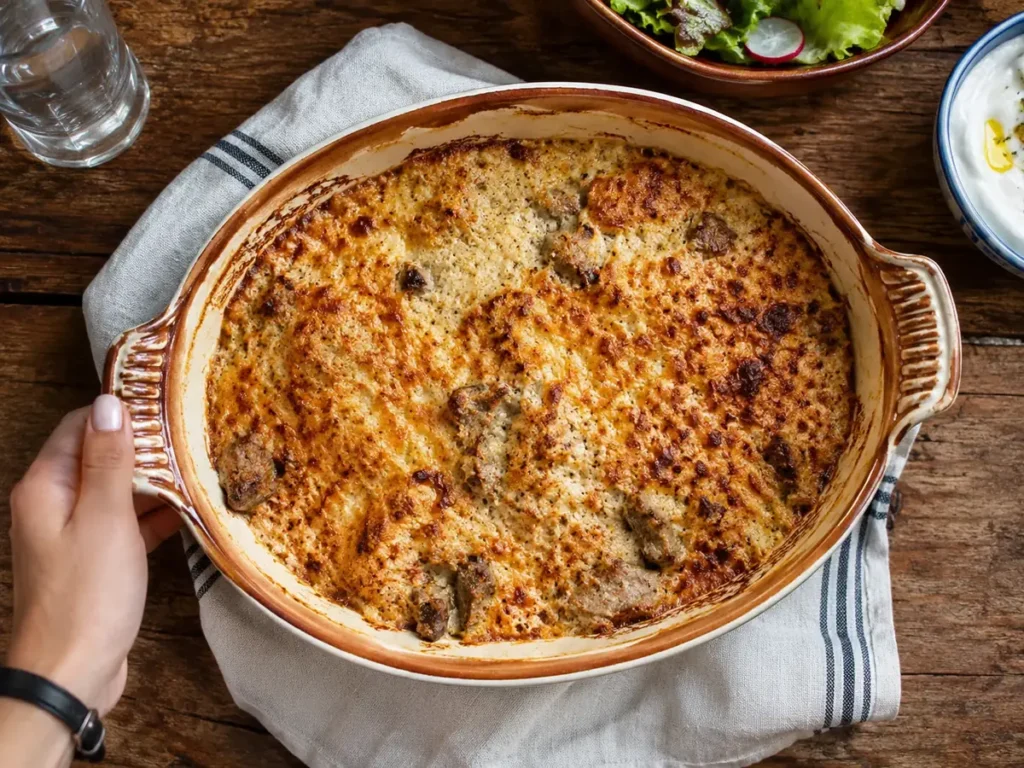
1. Tavë kosi
Albania’s best-known national dish: lamb and rice baked under a thick layer of yogurt and eggs until it sets like a savory custard with a golden top. It’s originally from Elbasan, which is why you’ll also see it called tavë Elbasani.
2. Fërgesë
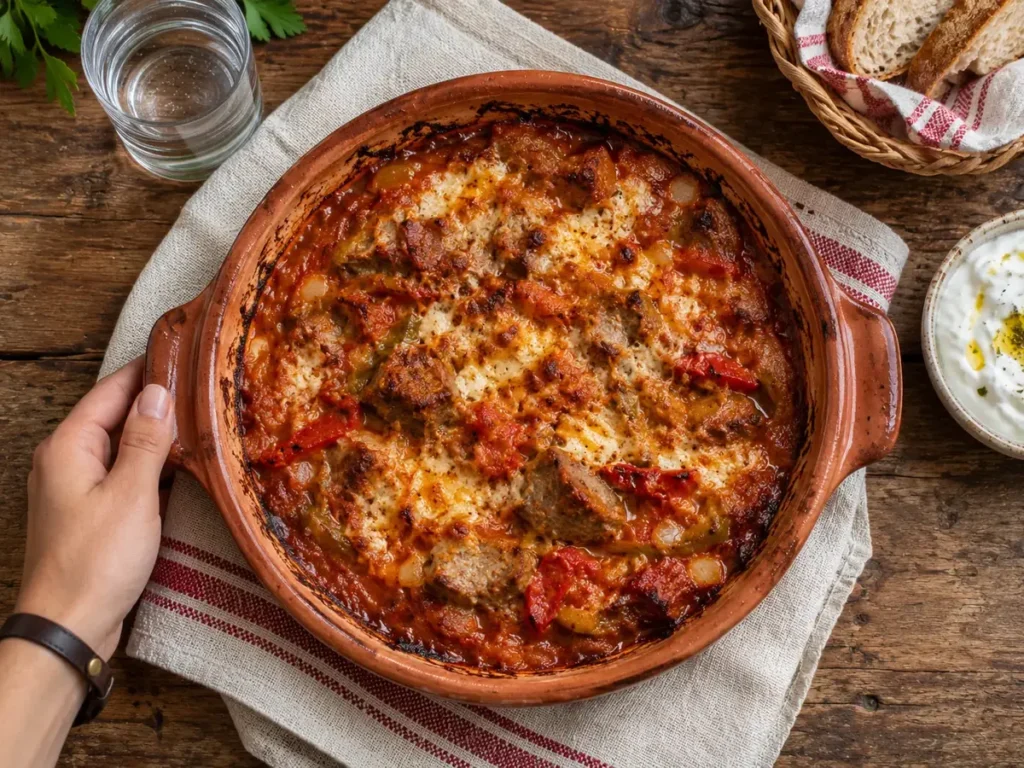
A Tirana specialty. Peppers and tomatoes are cooked down with salty ricotta/cottage cheese until they become a rich, creamy spread, baked in a clay dish and scooped up with bread. There’s also a version with liver or veal; this is a perfect dip to eat bread with.
3. Tavë dheu
Another Tirana classic, “clay pot” in Albanian: liver, peppers, garlic and cottage cheese baked in an earthenware dish. Rich, rustic and perfect with a glass of red wine.

Book your spot at the Albanian Night Dinner & Show
4. Byrek
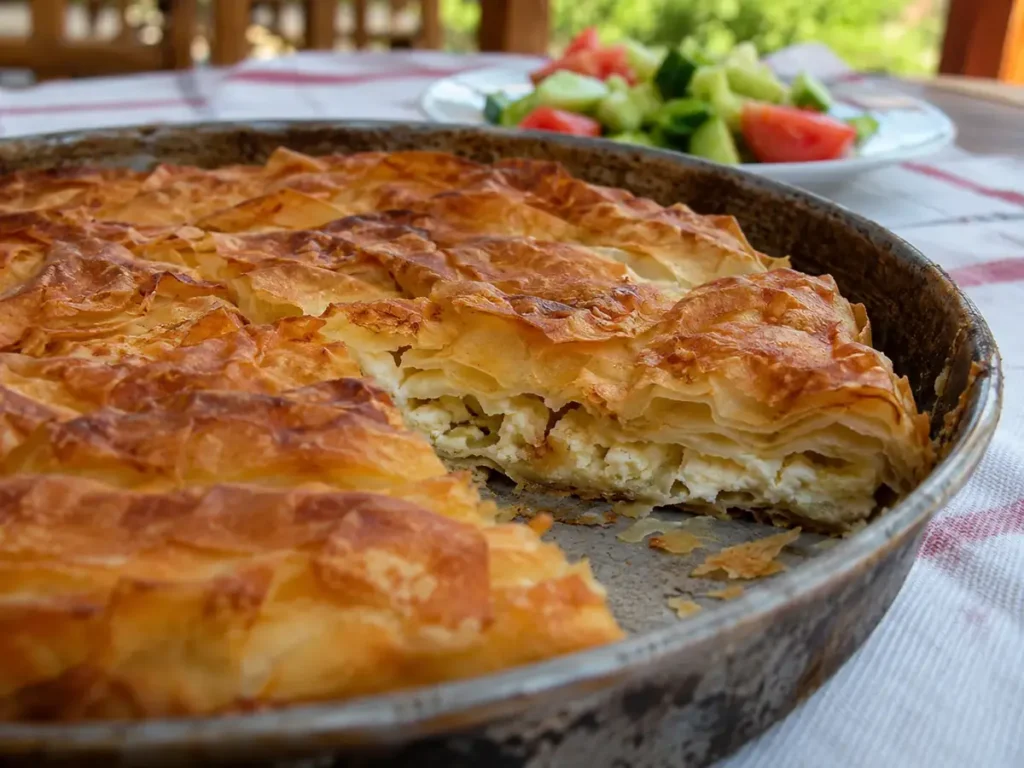
The king of Albanian pastry. Dozens of thin, hand-rolled sheets layered with cheese, spinach, meat or tomato and onion, baked in big round trays. Locals eat it for breakfast with yogurt. See our guide to the best byrek in Tirana.
5. Pite and lakror
Pite is the Albanian word for pie, and every region has its own. Lakror is the rustic southern version, especially loved in Korça: thicker pastry filled with leeks, onions, greens or meat, traditionally baked under a saç, an iron lid covered with hot embers.
6. Fli (flija)
Fli is a celebration dish from northern Albania and Kosovo, and one of the most unusual Albanian foods you can try. Thin layers of batter are spread one at a time in a round tray, brushed with cream or butter and baked under a saç, layer after layer, for hours. The result is something between a pancake stack and a pie, eaten warm with yogurt, honey, pickles or cheese. Because it takes so long to make, you’ll mostly find it in traditional and village-style restaurants, or at family gatherings.
7. Qofte
Grilled meatballs or short sausages of minced meat, onion and herbs. Korça-style qofte are famous across the country. Order them with a salad, fries and yogurt, or in bread from a grill (zgara) as street food.
8. Speca të mbushur and dollma
Peppers stuffed with rice, minced meat and herbs (or rice and cheese for a vegetarian version), and dollma or japrak, vine or cabbage leaves rolled around rice and meat and served with yogurt. Both are classic Ottoman-era home dishes popular all over the Balkans and especially in Albania.
9. Qifqi
Rice balls bound with egg and herbs and fried in olive oil, a specialty of Gjirokastër in southern Albania. Crispy outside, soft inside.
10. Jufka
Handmade egg pasta, dried and then cooked with butter, chicken or cheese. It’s a northern Albanian comfort food, and a homemade version is worth ordering whenever you see it on a menu.
11. Tarator
Cold yogurt with cucumber, garlic, dill and olive oil, somewhere between a soup and a dip. On a hot Tirana summer day, it’s the most refreshing thing on the menu.
12. Petulla
Soft, puffy pieces of fried dough, eaten with honey, jam or salty white cheese. A weekend breakfast favorite; here’s where to eat an Albanian breakfast in Tirana.
13. Trahana
Wheat fermented with yogurt or milk, dried, then cooked into a thick, tangy soup. It’s an old village staple, especially in winter and in the south.
14. Koran
The famous trout of Lake Ohrid, found only in this lake and traditionally eaten around Pogradec. Grilled or baked, it’s one of the most prized fish in Albania.
15. Djathë i bardhë and kos
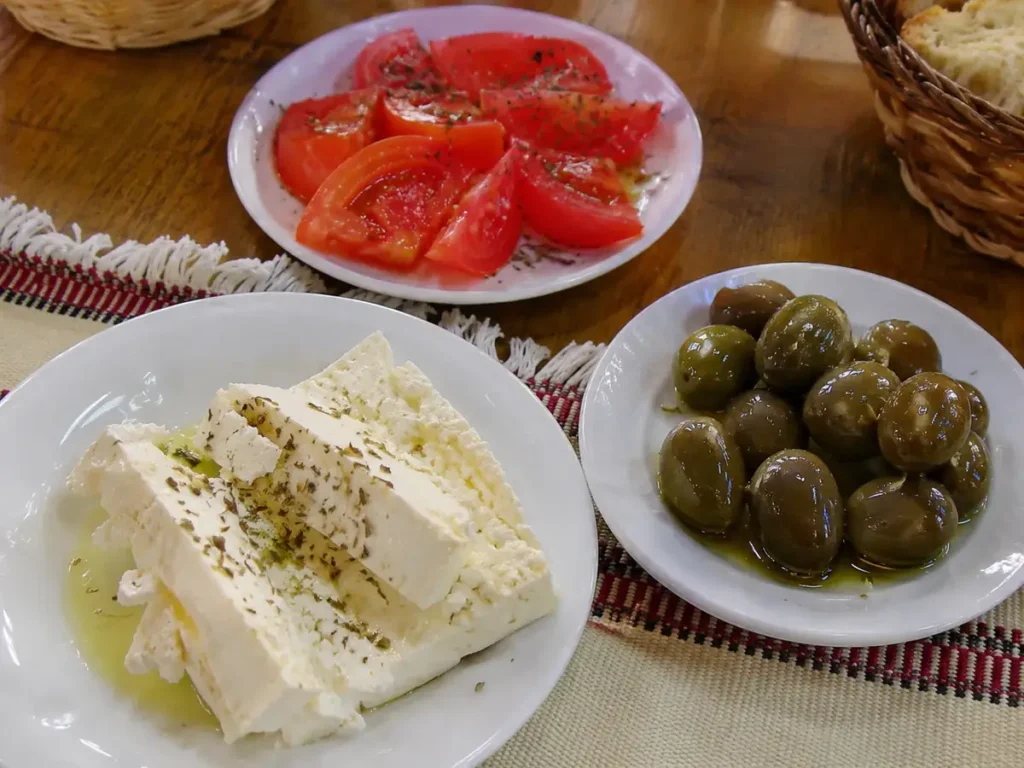
White cheese (similar to feta) and thick set yogurt appear at almost every meal, from breakfast to the side of a grill platter. The salted yogurt drink dhallë is what locals drink with byrek.
Traditional Albanian desserts
- Trileçe: sponge cake soaked in three kinds of milk and topped with caramel. Hugely popular in Tirana cafés.
- Bakllava: layers of phyllo, walnuts and syrup. Almost every family makes it for New Year and Bajram.
- Kadaif: shredded pastry baked with walnuts and soaked in syrup.
- Revani: a semolina cake soaked in syrup, sometimes flavored with orange.
- Sheqerpare: soft little cookies soaked in sugar syrup.
Traditional Albanian drinks
- Raki: the national alcoholic spirit, usually distilled from grapes (or plums, mulberries and other fruit). Served in small glasses at every celebration and often with meze before dinner.
- Dhallë: salted yogurt drink, the classic partner for byrek.
- Çaj mali: Albanian mountain tea, made from wild Sideritis, drunk for everything from colds to good conversation.
- Kafe turke: Turkish coffee, still the choice of older Albanians, though the macchiato rules in Tirana.
Albanian street food in Tirana
If you’re on a budget, Tirana’s street food is some of the best value in Europe:
- Byrek from a byrektore, about 50–100 lek a slice.
- Sufllaqe: Albania’s take on souvlaki or gyros, pita wrapped around grilled meat, fries and yogurt sauce.
- Qofte in bread from a grill.
- Roasted corn and chestnuts from street carts in autumn and winter.
Where to eat traditional Albanian food in Tirana
- Oda Garden in Pazari i Ri: traditional dishes served in a rustic backyard venue full of Ottoman-era character. Great for fërgesë, tavë kosi and qofte.
- Tymi on Rruga e Kavajës: classic Albanian meat dishes and beer in a relaxed, retro setting.
- Era in Blloku: a well-known and well-heeled traditional restaurant serving polished versions of the Albanian classics in Tirana’s trendiest neighborhood.
- Grills around the New Bazaar (Pazari i Ri): charcoal-grilled meat, qofte and salads where the locals eat.
- Albanian Night near Skanderbeg Square: a traditional Albanian dinner with dishes from across the country, plus a live show with folk music, dance and a recreated village wedding.
For more options, see our full list of the best traditional restaurants in Tirana.
FAQ
What is the national dish of Albania?
Tavë kosi, lamb and rice baked in yogurt and eggs, is generally considered Albania’s national dish. Byrek and fërgesë are close contenders.
What is fli in Albanian food?
Fli (or flija) is a layered dish from northern Albania and Kosovo, made by baking thin layers of batter one at a time under a hot iron lid, brushing each with cream or butter. It takes hours to make and is usually served for celebrations.
What is lakror?
Lakror is a traditional southern Albanian pie, especially from Korça, with a thicker pastry than byrek and fillings like leeks, onions, greens or meat. It’s traditionally baked under a saç covered with embers.
What should I eat in Tirana?
Try byrek for breakfast, fërgesë and tavë dheu (both Tirana specialties) for lunch, tavë kosi and qofte for dinner, and trileçe for dessert, with a glass of raki to finish.
Is Albanian food spicy?
Not usually. Albanian food is flavored with herbs, garlic, olive oil and yogurt rather than chili, although some dishes use mild red pepper.