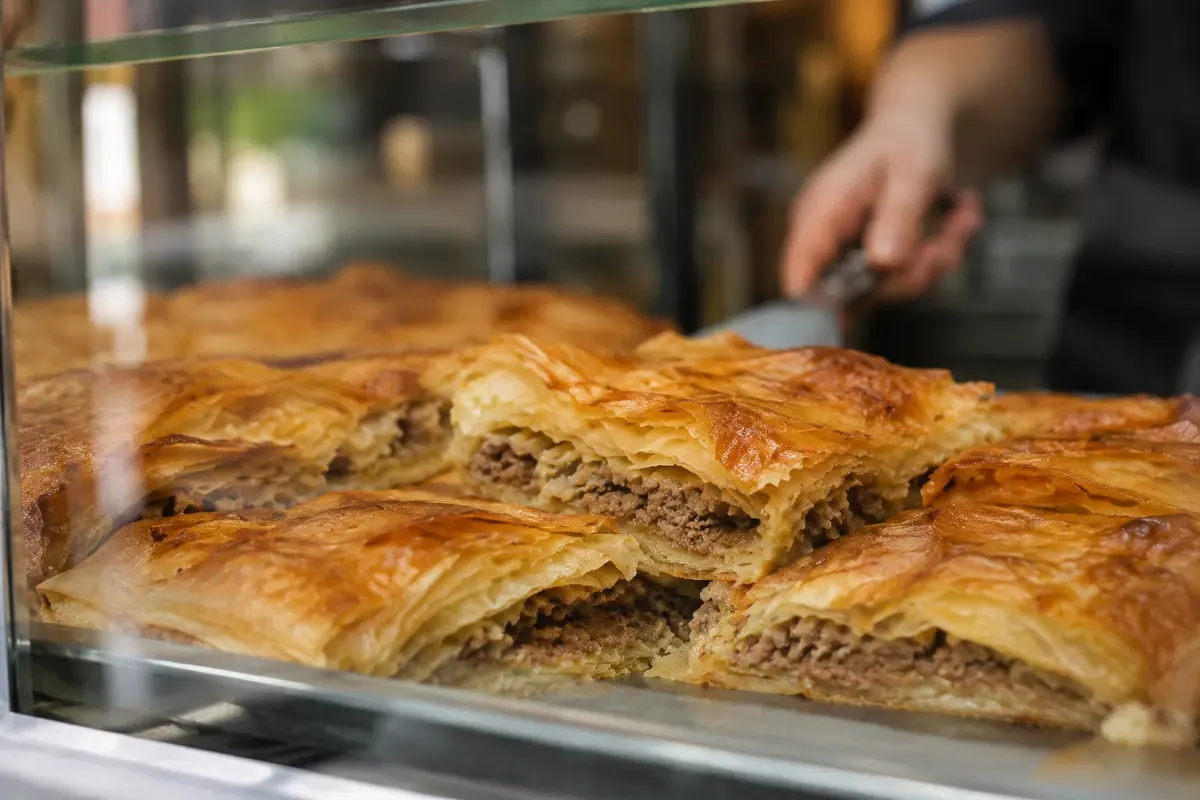
With 4 days in Tirana, spend two days in the city (the museums, the Dajti cable car, the Albanian Night show and a night out in Blloku) and two days on day trips: the UNESCO town of Berat, then Krujë and Durrës. It’s a relaxed pace with time for long lunches and second coffees, and you never have to change hotels.
Four days is a really good amount of time for Tirana. It’s the sweet spot where you stop rushing from sight to sight and start living like a local for a while: lingering over a macchiato while the city hums around you, wandering down a street just because it looks interesting, saying yes to the extra round of raki. You still see all the big stuff. You just get to enjoy it.
And because Albania is so compact, the rest of the country is right on your doorstep. A 2,000-year-old Roman amphitheater, a mountaintop castle town and a UNESCO-listed Ottoman city are all within a couple of hours of the capital, so a day trip takes about as much effort as going to the suburbs. You leave after breakfast, you’re back for dinner, and your suitcase stays put the whole time.
This is the itinerary I’d give a friend who wants to see Tirana properly without wearing themselves out. The first two days are for the city itself, from its frescoed mosque and Cold War bunkers to its mountain cable car and its buzzing bar scene. The last two take you out to the places that tell Albania’s bigger story. There’s also a swap-in day to Lake Ohrid if you fancy adding a second country to the trip. Let’s get into it.
4 days in Tirana itinerary at a glance
| Plan | Evening | Travel time from Tirana | |
|---|---|---|---|
| Day 1 | Tirana center: mosque, bunkers, Pyramid, Grand Park | Albanian Night Dinner & Show | None, it’s all walkable |
| Day 2 | Bunk’Art 1, Dajti cable car, Tujani Peak | Cocktails in Blloku | About 20 minutes by taxi |
| Day 3 | Day trip to Berat | Easy dinner in Tirana | About 2 hours each way |
| Day 4 | Day trip to Krujë and Durrës | Farewell dinner at Tirana Castle | About 1 hour, then 1 hour |
The order matters a little. Doing the city first means you’ll arrive in Berat and Krujë already knowing who Skanderbeg was, why there are bunkers all over the country and what a village wedding sounds like, and that makes the day trips much richer. If one of your days falls on a Tuesday, shuffle Day 2 around it, since the Dajti cable car is closed that day.
Day 1: Get to know Tirana
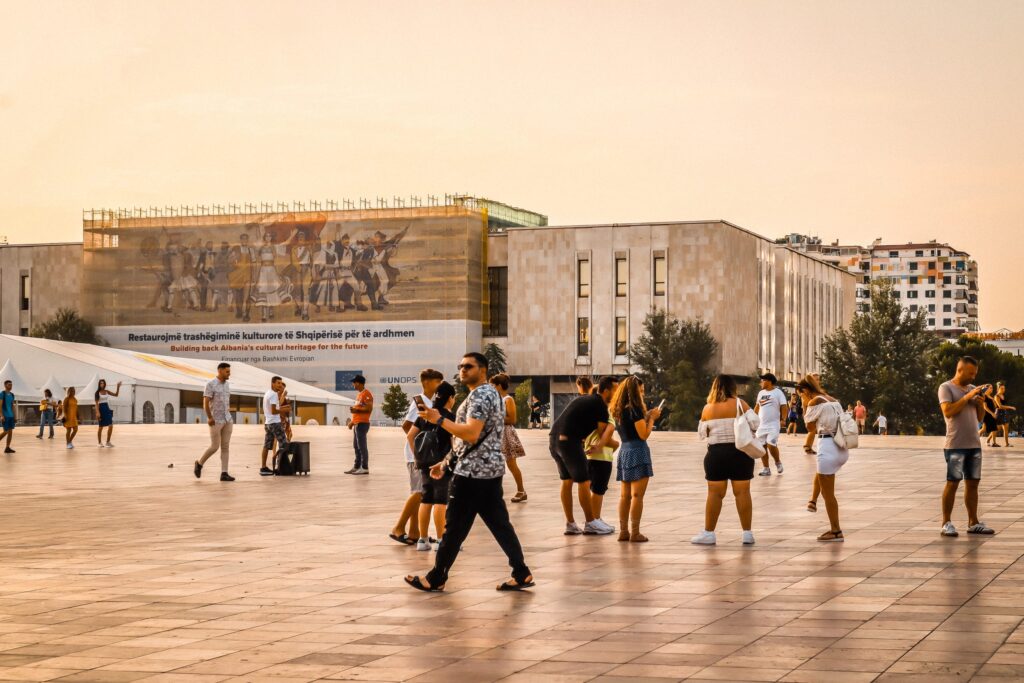
Your first day is a slow walk through Tirana’s center and through a couple of centuries of its history. Everything below is within about a 20-minute stroll of Skanderbeg Square, so leave the taxi apps closed and let the city set the pace. You’ll go from an Ottoman mosque to a communist bunker to a pyramid you can climb, with plenty of coffee stops in between, and finish with a night out that will make you fall for Albania.
Morning: Skanderbeg Square, the Et’hem Bej Mosque and the Clock Tower
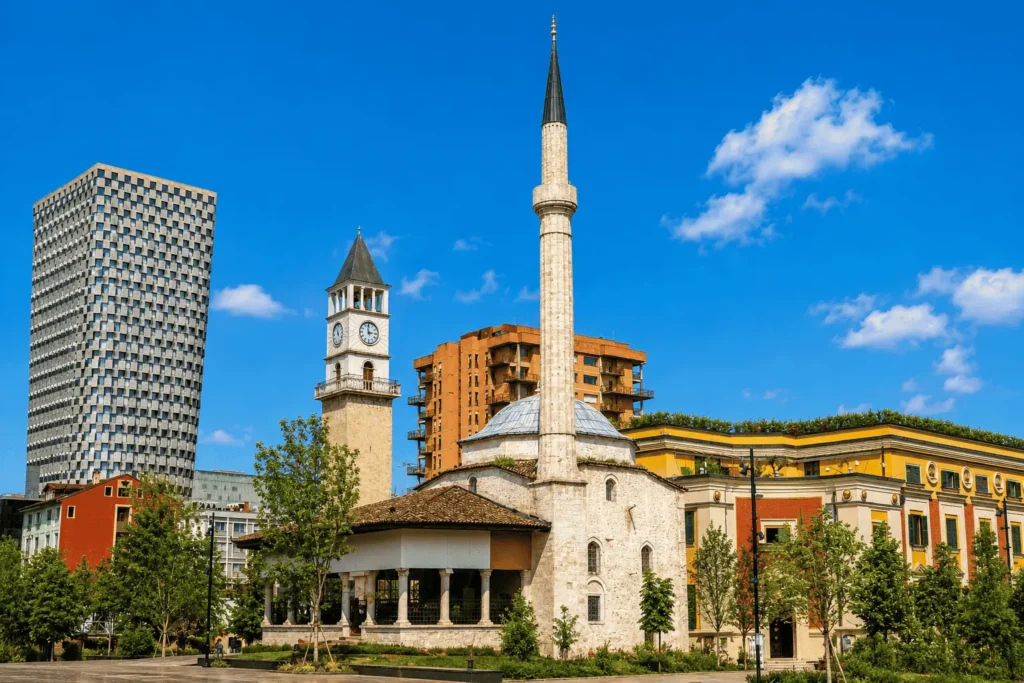
Ease in with a coffee near Skanderbeg Square. The cafés around the edge are perfect for people-watching, and Albanian coffee culture is no joke: locals can make a single macchiato last an hour, and nobody will ever rush you. Out on the square, the national hero Skanderbeg rides his bronze horse in front of the National History Museum, whose giant mosaic of Albanians through the ages is one of the most photographed walls in the country.
Then cross over to the Et’hem Bej Mosque, which is small, painted and gorgeous. Its walls are covered in frescoes of trees, waterfalls and little bridges, scenes you rarely see in a mosque, and it holds a special place in Tirana’s heart: in 1991, as communism was collapsing, thousands of people gathered here to pray openly for the first time in decades, in defiance of the authorities. Cover your shoulders and knees and take your shoes off at the door.
Right next door is the Clock Tower, built in the 1820s and for a long time the tallest building in Tirana. Climb the narrow stairs to the top for a lovely view over the square and the main boulevard. It’s the best orientation you could ask for on your first morning, and it helps you get your bearings for the rest of the day.
Bunk’Art 2 and the House of Leaves
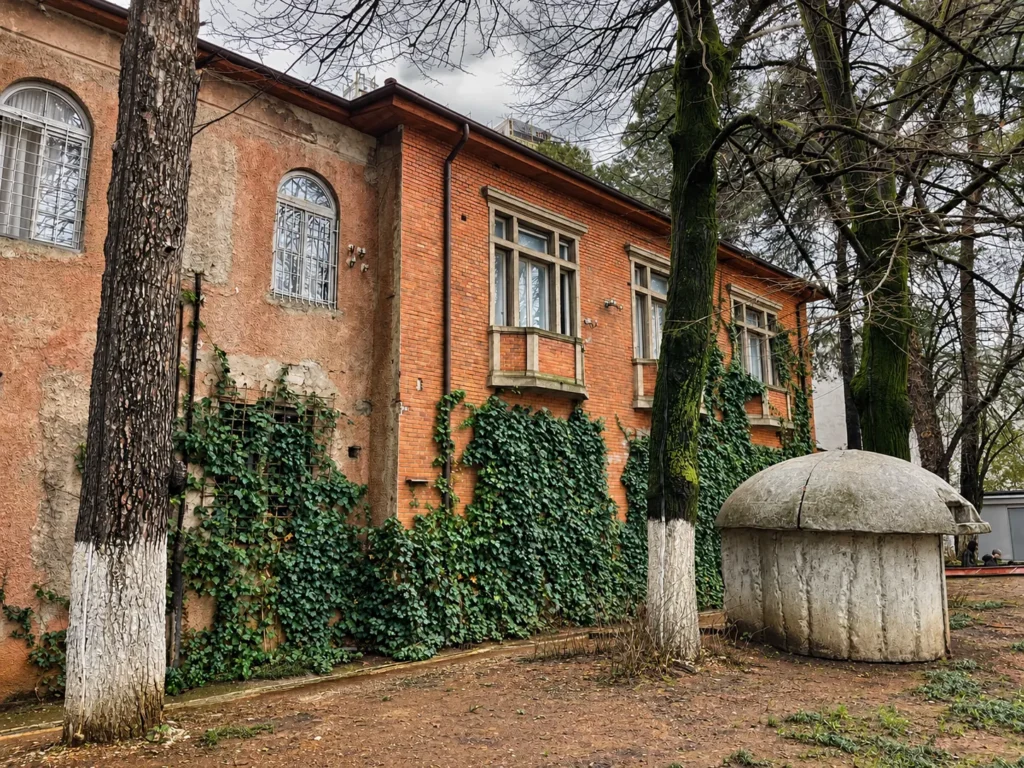
A few minutes away, a concrete dome poking out of the pavement marks the entrance to Bunk’Art 2. It was built as a nuclear bunker for the Ministry of Internal Affairs, and today it tells the story of Albania’s police and the feared Sigurimi, the communist secret police. The corridors are low, the rooms are chilly and some of the stories are hard to hear, but it’s the clearest window you’ll get into everyday life under the regime. Give it about an hour.
Then walk ten minutes to the House of Leaves, where they actually did the spying. This quiet villa was the Sigurimi’s surveillance headquarters, and it’s now a museum full of hidden microphones, bugged everyday objects and files kept on ordinary citizens. It’s chilling and fascinating in equal measure, and it’s one of the best-designed museums in the Balkans. Seeing the two back to back gives you the full picture of how closely the state watched its own people.
Lunch near the New Bazaar
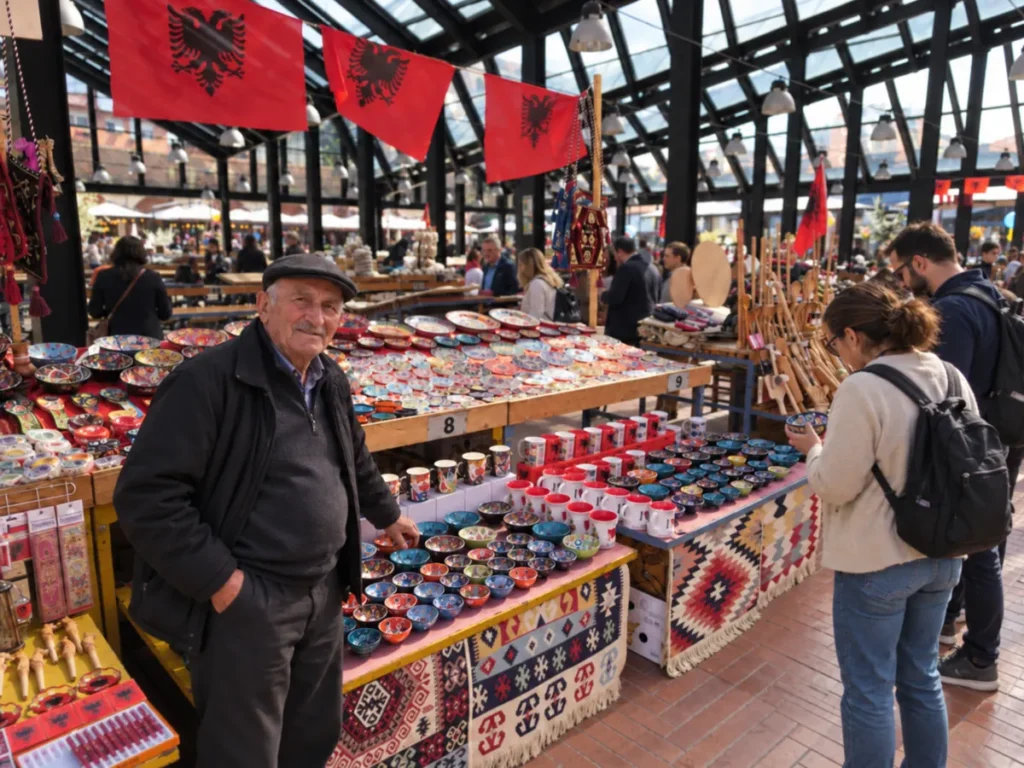
By now you’ll be hungry, so go traditional. The streets around the New Bazaar (Pazari i Ri) are packed with good places, and Era, Tymi and Oda Garden are all safe bets for a long, relaxed lunch. Order a few things to share: tavë kosi (baked lamb with yogurt, the closest thing Albania has to a national dish), stuffed peppers, fërgesë and a plate of grilled meats, with a glass of local wine or a cold Korça beer. There are more ideas in our traditional restaurants guide.
Afterwards, take a wander through the market itself. The covered hall is full of fruit, cheese, olives, honey and mountain herbs, and the surrounding streets are lined with colorful buildings, ceramics stalls and little cafés. It’s a great place for an after-lunch coffee before the afternoon’s walk.
Afternoon: the Pyramid, Blloku and the Grand Park
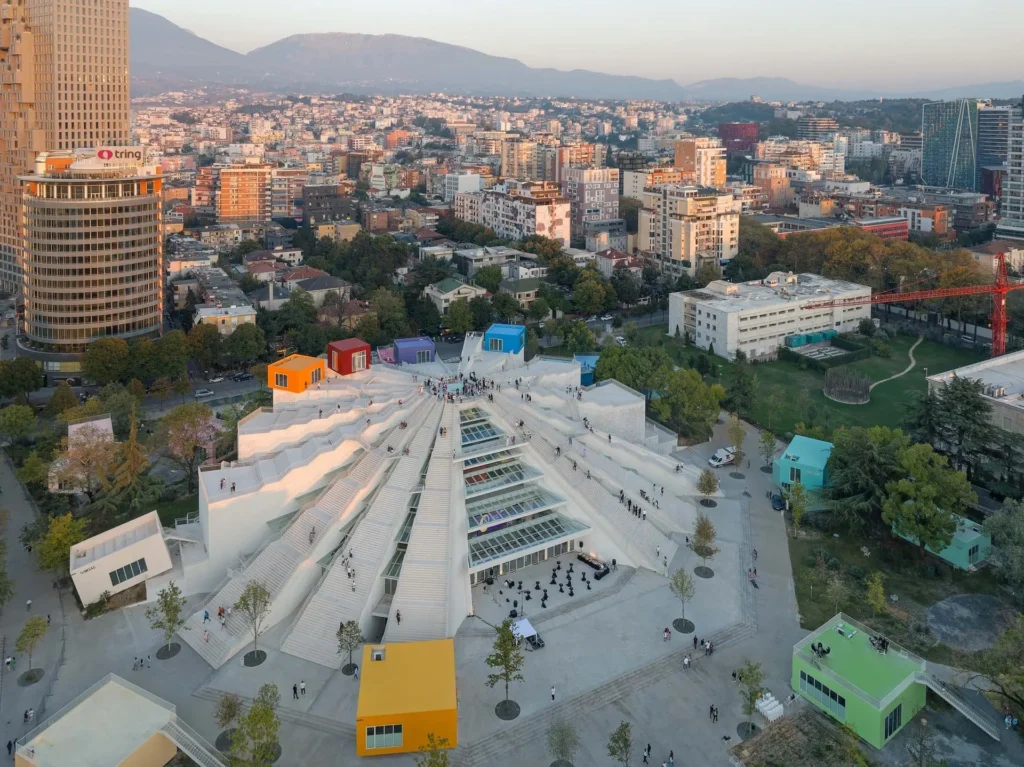
Spend the afternoon on the Pyramid of Tirana. It was built in 1988 as a museum honoring the dictator Enver Hoxha, then spent years as a graffiti-covered ruin that teenagers slid down for fun. Today it’s been renovated into a colorful tech and education hub for young people, with steps running up its sloping sides so you can walk right to the top. It’s the perfect symbol of how Tirana has reinvented itself, and the view isn’t bad either.
From there it’s a short walk to the cafés of Blloku. Under communism this neighborhood was closed to everyone except the party elite, and ordinary Albanians weren’t allowed to set foot in it. Now it’s the liveliest part of the city, full of boutiques, cafés and leafy streets, and you can still see Enver Hoxha’s former villa on the corner. Find a table, order a fresh juice or a spritz, and enjoy sitting somewhere that was once completely off-limits.
Finish with a walk around the Grand Park lake, just south of Blloku. This is where Tirana comes to breathe: joggers, families, couples on benches and old men playing chess under the trees. A loop around the lake makes a lovely, easy walk, and late afternoon, when the light turns golden over the water, is the best time for it. Then head back to your hotel to freshen up, because tonight is a big one.
19:00 · Albanian Night
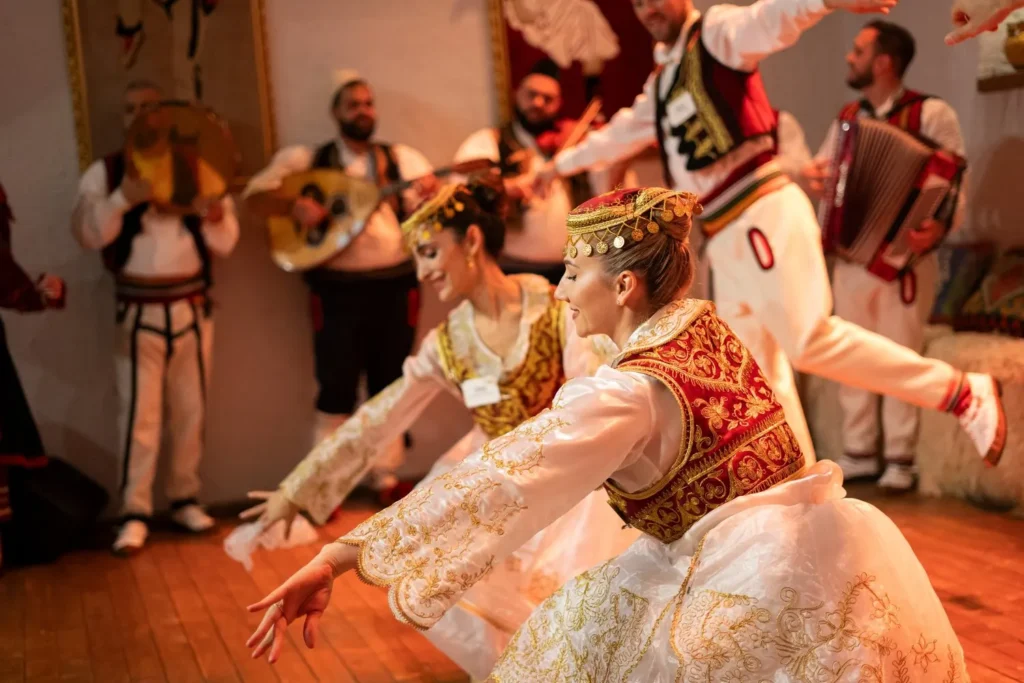
Spend your first evening at Albanian Night, a live show in the center of Tirana that recreates a traditional northern Albanian village wedding, with you as one of the guests. There’s iso-polyphonic singing (the layered, haunting folk singing that UNESCO lists as Intangible Cultural Heritage), folk dancing, costumes to try on, raki to sip and, sooner or later, you on the dance floor. Nobody stays in their seat for long.
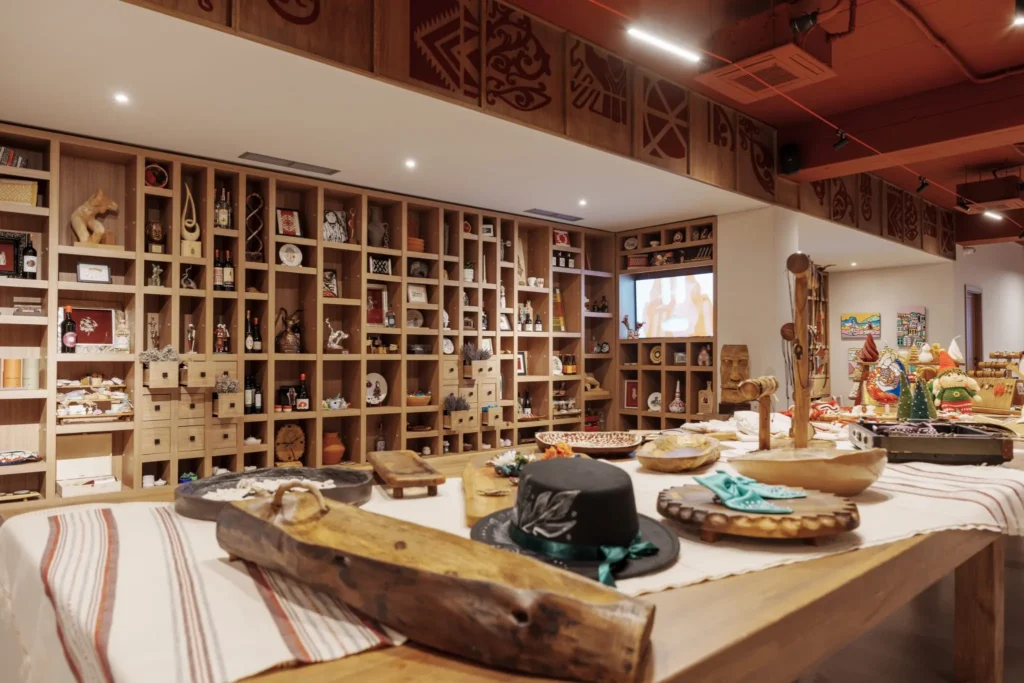
It’s the best crash course in Albanian culture you’ll find, and it makes the rest of your trip richer: over the next three days you’ll start spotting the costumes, instruments and traditions everywhere, from the old houses of Berat to the museum in Krujë. Book the Dinner & Show for a long traditional dinner afterwards, and leave time to browse the bazaar, where all the crafts are handmade by local artisans. Shows start at 19:00 nightly and often sell out, so book on albaniannight.com.
Day 2: Into the bunker, up the mountain
Day two mixes deep history with fresh mountain air, and the two big sights sit conveniently close together on the eastern edge of the city. Wear proper shoes, pack a layer (it’s noticeably cooler on the mountain than down in town) and check that the cable car is running before you set off.
Morning: Bunk’Art 1
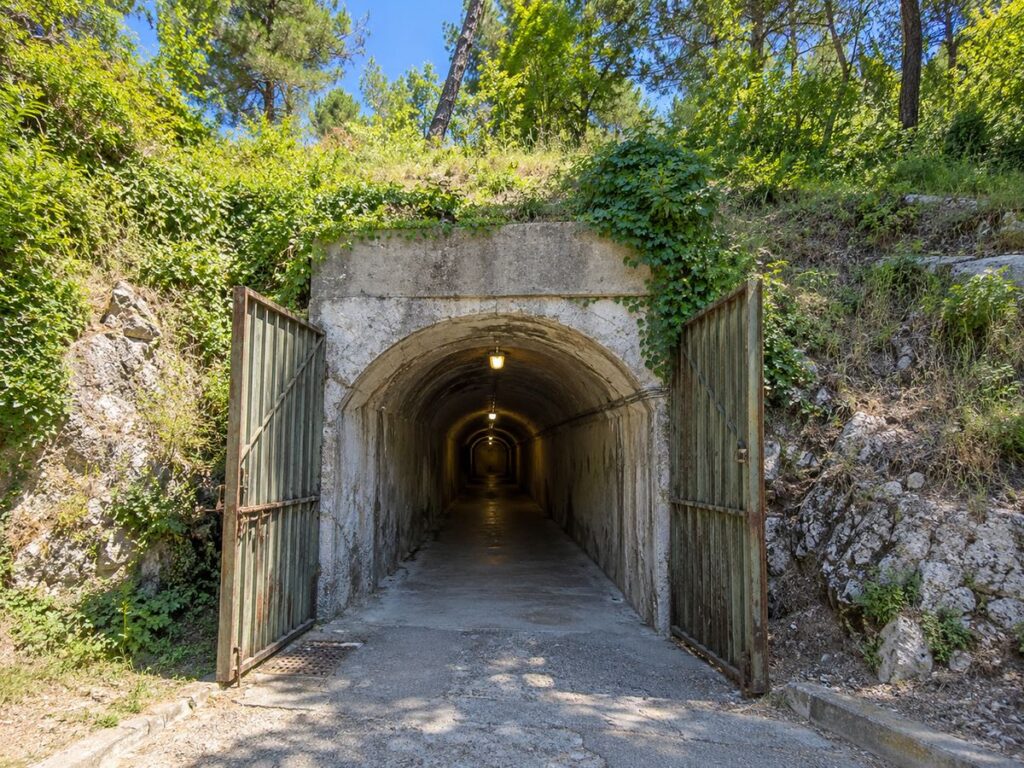
Take a taxi out to Bunk’Art 1, about 20 minutes from the center. This is the big one: Enver Hoxha’s enormous nuclear bunker, dug into the hillside on the edge of the city in the 1970s to shelter him and the country’s leadership in case of attack. It was kept secret for decades, and today it’s a labyrinth of tunnels and more than 100 rooms spread over several underground floors.
Walking through it is eerie in the best way. You’ll pass Hoxha’s own quarters, room after room of exhibits on the war and the communist years, and a huge assembly hall built for parliament that was never used. Some spaces now host art installations and concerts, which lightens the mood a little. It takes a good 90 minutes, and bring a sweater: it’s cool down there even in August.
Midday: the Dajti Ekspres cable car
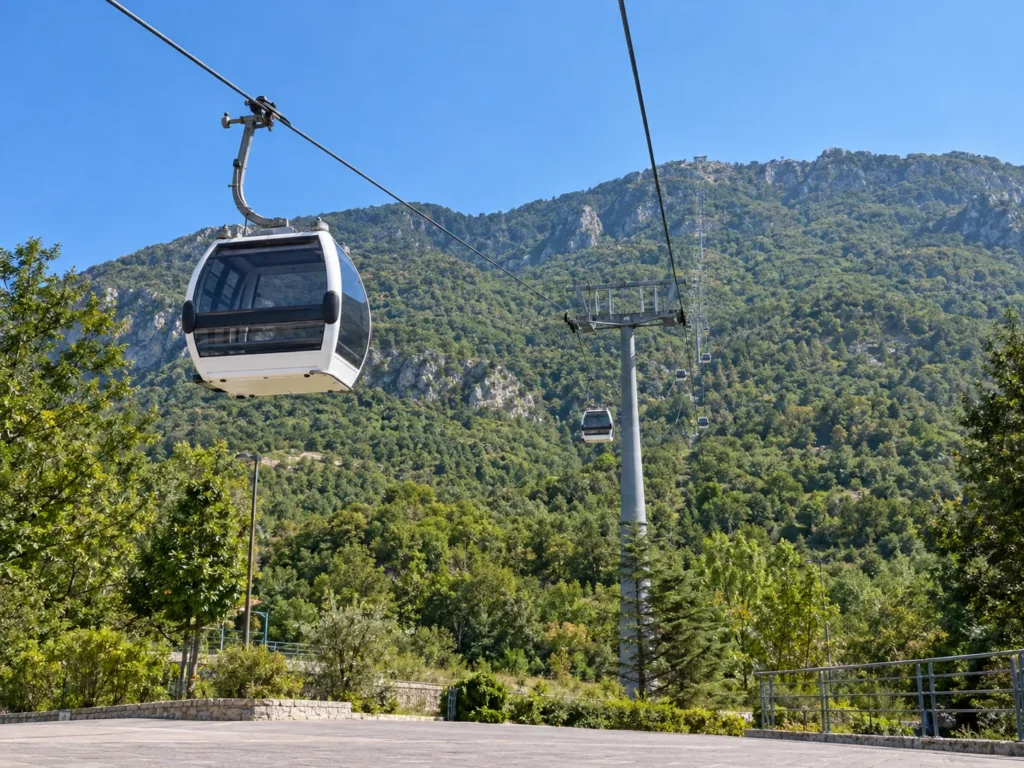
The bottom station of the Dajti Ekspres cable car is right nearby. The ride up Mount Dajti is one of the longest in the Balkans and takes about 15 minutes, gliding over forests and farmland while Tirana slowly shrinks into a map below you. On a clear day you can see all the way to the sea.
At the top, have lunch with a view. There are several restaurants and terraces near the upper station, and grilled lamb and a glass of wine while looking down over the whole city is a very good way to spend an hour. The cable car is closed on Tuesdays and the last car down is around 18:00, so keep an eye on the time.
Afternoon: hike to Tujani Peak
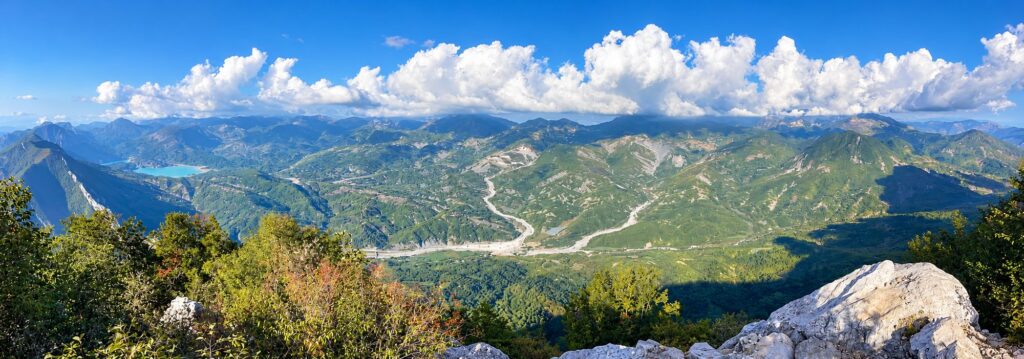
If you’re feeling strong, hike to Tujani Peak, about an hour up from the top station on forest trails. It’s a proper uphill walk rather than a stroll, but the reward is a sweeping view over Tirana, the plains and the mountains rolling away to the north. Bring water and a snack, and don’t start too late if you want to make the last car down.
Not a hiker? No problem. Wander the flatter paths around the plateau, find a sunny terrace and stay for another coffee. Mount Dajti is a national park, and simply being up there in the cool pine air is the whole point.
Evening: cocktails in Blloku
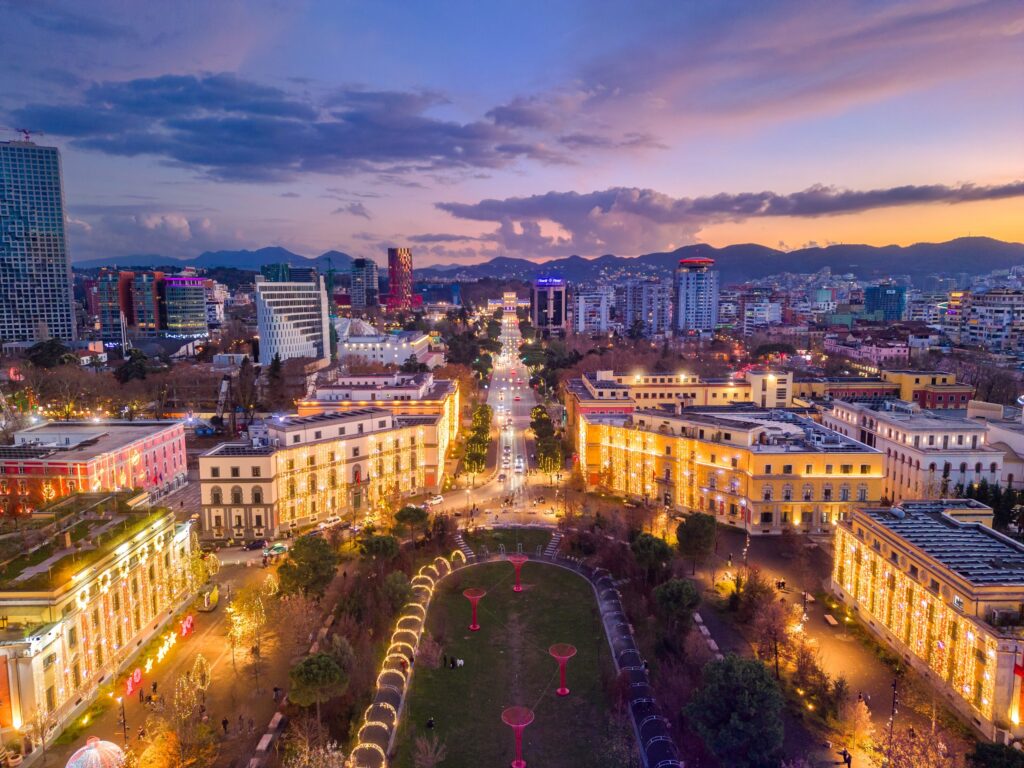
In the evening, it’s Blloku time again, but after dark, when the neighborhood really comes alive. Start with cocktails at Colonial Cocktail Academy, where the bartenders take their craft very seriously, then hop over to KINO or Radio Bar, a cozy spot full of vintage radios and retro furniture. If you’ve still got energy, go dancing with locals at The Code.
Don’t be surprised if things start late. Tirana eats dinner at nine and goes out at eleven, and on a summer weekend the streets of Blloku are still full well after midnight. Grab dinner somewhere in the neighborhood first, then go with the flow.
Day 3: Day trip to Berat
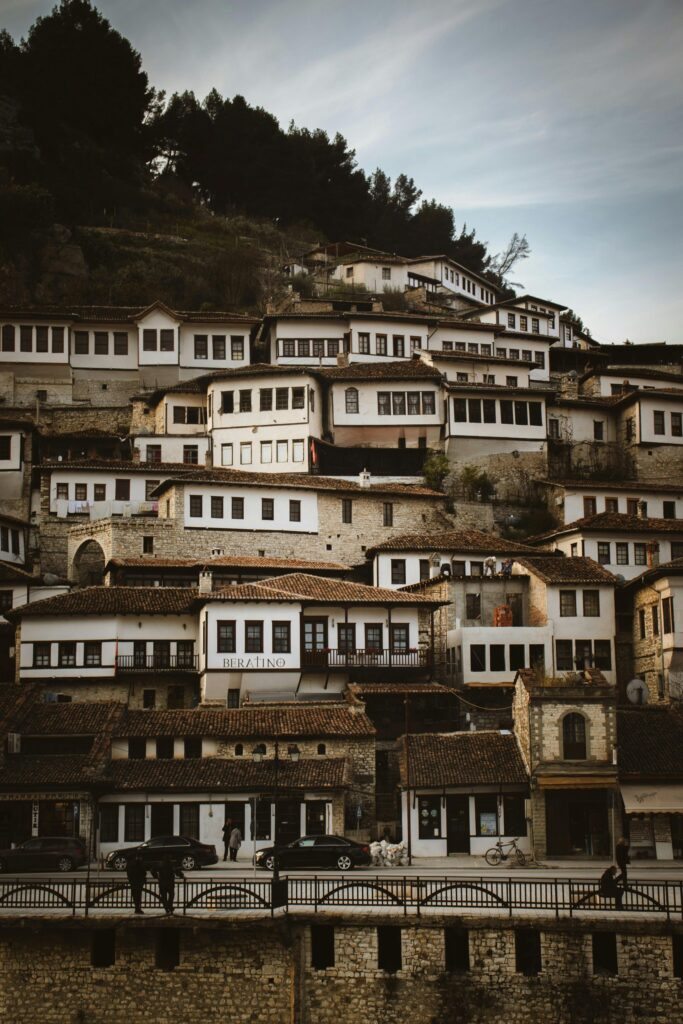
Berat is about two hours south of Tirana by car (a bit more by bus), and it’s the trip I recommend to everyone. They call it the “city of a thousand windows” because of the white Ottoman houses stacked up the hillside in the old Mangalem quarter, all staring across the Osum River at their neighbors in Gorica. It’s a UNESCO World Heritage Site, and it really does look like that in real life.
Leave by 8:30 to beat the heat in summer and give yourself time to wander. Berat is a place for slowing down: the streets are steep and cobbled, the cafés are shaded, and the best moments tend to be the unplanned ones, like a neighbor waving from a window or the call to prayer drifting across the river.
Mangalem, Gorica and the classic view
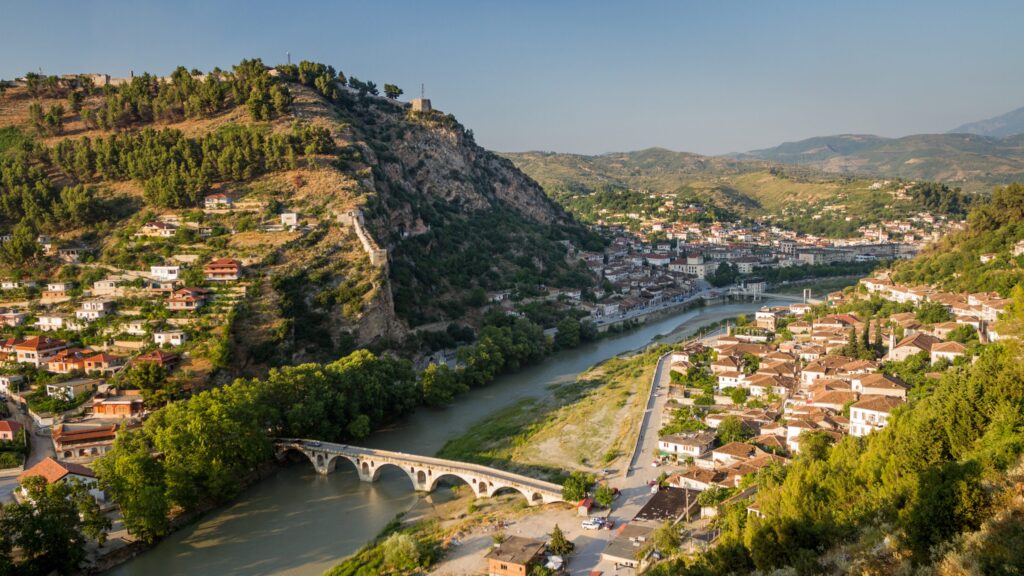
Start down by the river. Walk across the stone Gorica Bridge for the classic view: the Mangalem houses rising in rows up the hill, window above window, with the castle walls on top. Morning light is best for photos. Then wander the lanes of Gorica on the far bank, which is quieter and greener and feels almost like a village, before crossing back to get happily lost in the alleys of Mangalem.
Berat Castle: a citadel people still call home
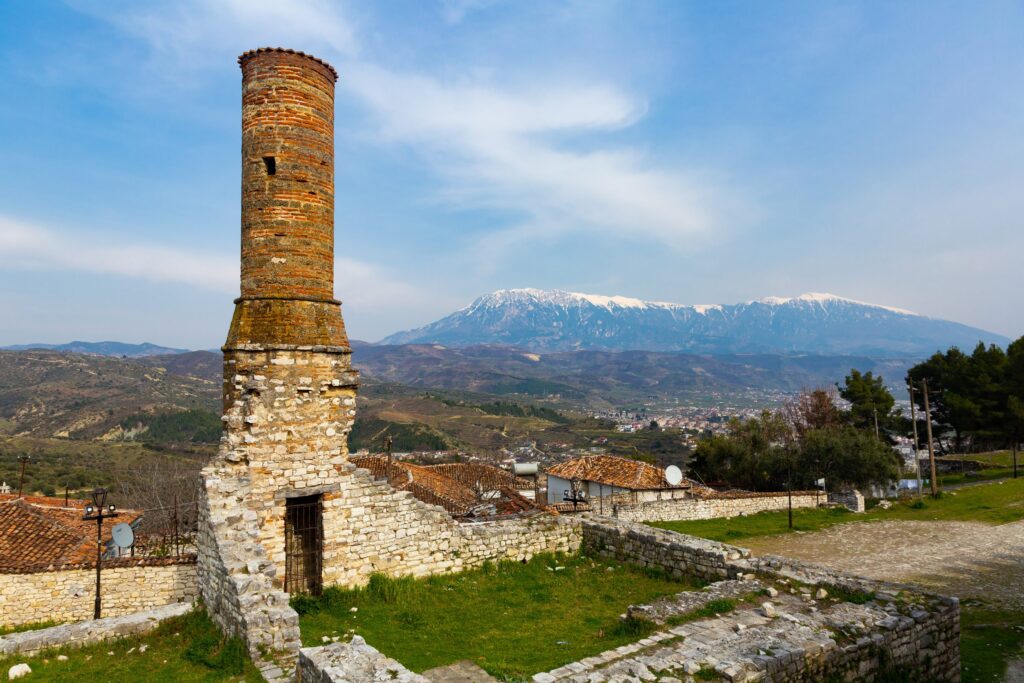
Next, climb (or taxi) up to Berat Castle. The walk is steep and the cobblestones are slippery, so a taxi up and a walk down is a smart combination. The surprising thing is that people still live inside the walls, so you’re wandering past laundry lines, vegetable gardens and kids playing football between Byzantine churches and the ruins of old mosques. Some families sell handmade lace and souvenirs from their doorsteps.
Don’t miss the Onufri Iconographic Museum inside the Church of the Dormition, with icons by the 16th-century painter Onufri, famous for a shade of red nobody has managed to copy. Then head to the viewpoints at the edge of the citadel for a panorama over the town and the river valley below.
Where to eat in Berat
For lunch, Guva Mangalem has a terrace over the river and home cooking. It opens at 13:00, so time your castle visit to finish around then. Go for local dishes like stuffed vegetables, slow-cooked lamb and salads with fresh village cheese, and try a glass of local wine: the Berat area has a long winemaking tradition.
If you end up staying the night (plenty of people fall for Berat and do), book dinner at Homemade Food Lili, a tiny family garden restaurant that’s fully booked weeks ahead for good reason.
Back in Tirana
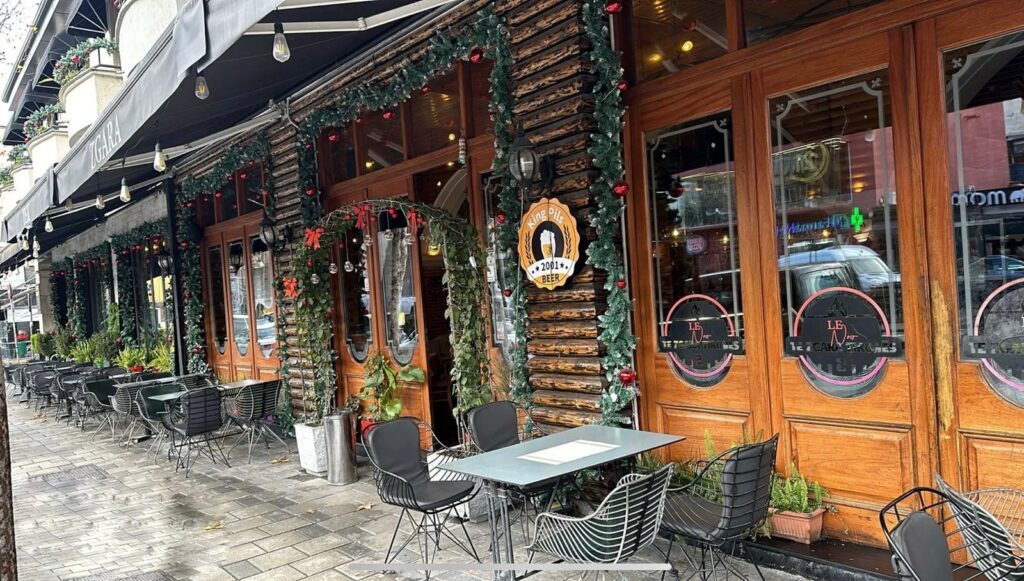
You’ll be back in Tirana by early evening, tired in the best way and ready for a quiet dinner. Keep it simple: Zgara e Tironës 2 on Kavaja Street does great grilled meats for not much money. It’s a no-frills local favorite where the qofte (little grilled meatballs) come out sizzling and the bill makes you smile. Then get an early night, because tomorrow is a two-stop day.
Day 4 morning: Krujë, Skanderbeg’s mountain town
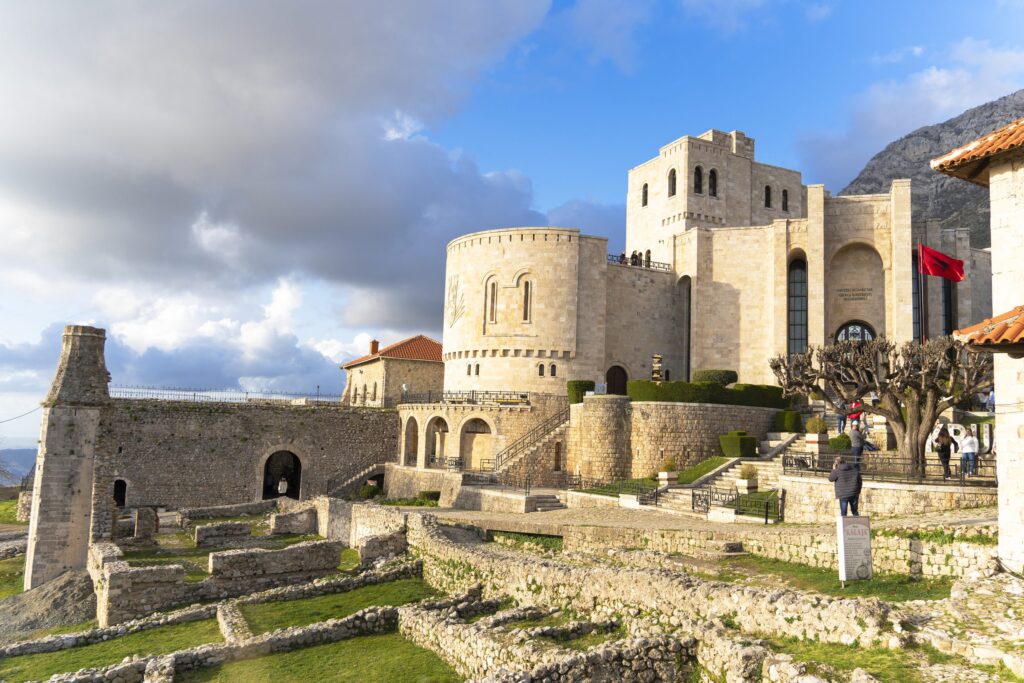
Krujë sits on a mountainside about 45 minutes to an hour north of Tirana, and it’s where Skanderbeg held off the Ottoman armies for 25 years in the 1400s. To Albanians it’s close to sacred ground, and after three days of seeing his statue everywhere (and hearing his name at Albanian Night), this is where you finally get the full story. Leave around 8:30 so you have the castle mostly to yourself.
The castle and the Skanderbeg Museum
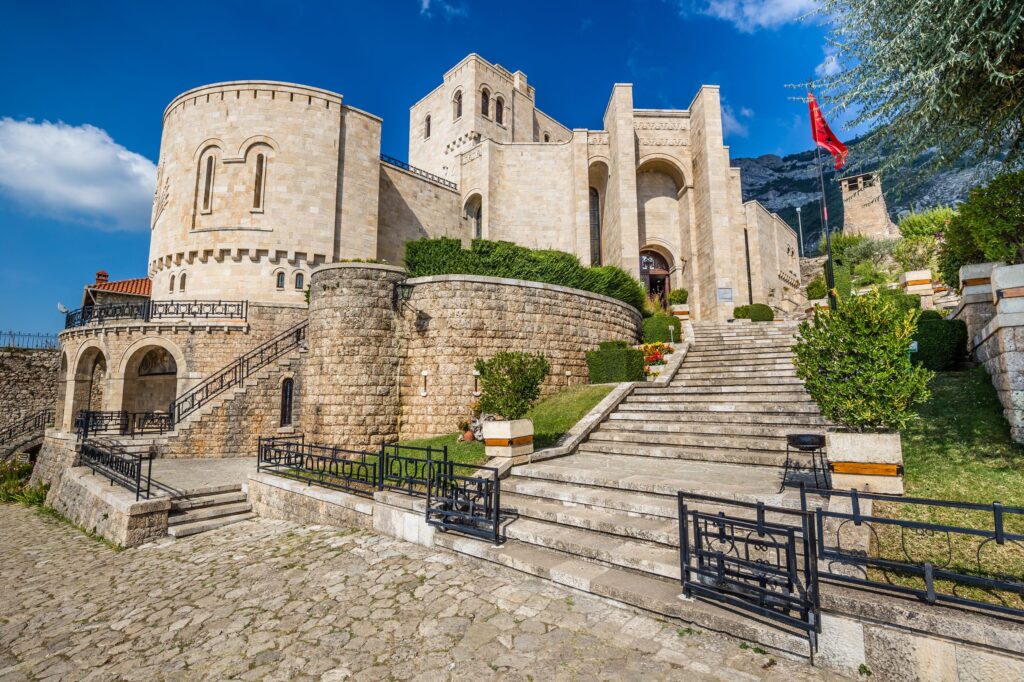
The castle area has the Skanderbeg Museum, a dramatic, fortress-like building that tells the story of the national hero through paintings, weapons, maps and a replica of his famous goat-crested helmet. It’s patriotic, theatrical and a lot of fun, and the views from the castle walls across the plains toward the sea are spectacular.
The Ethnographic Museum
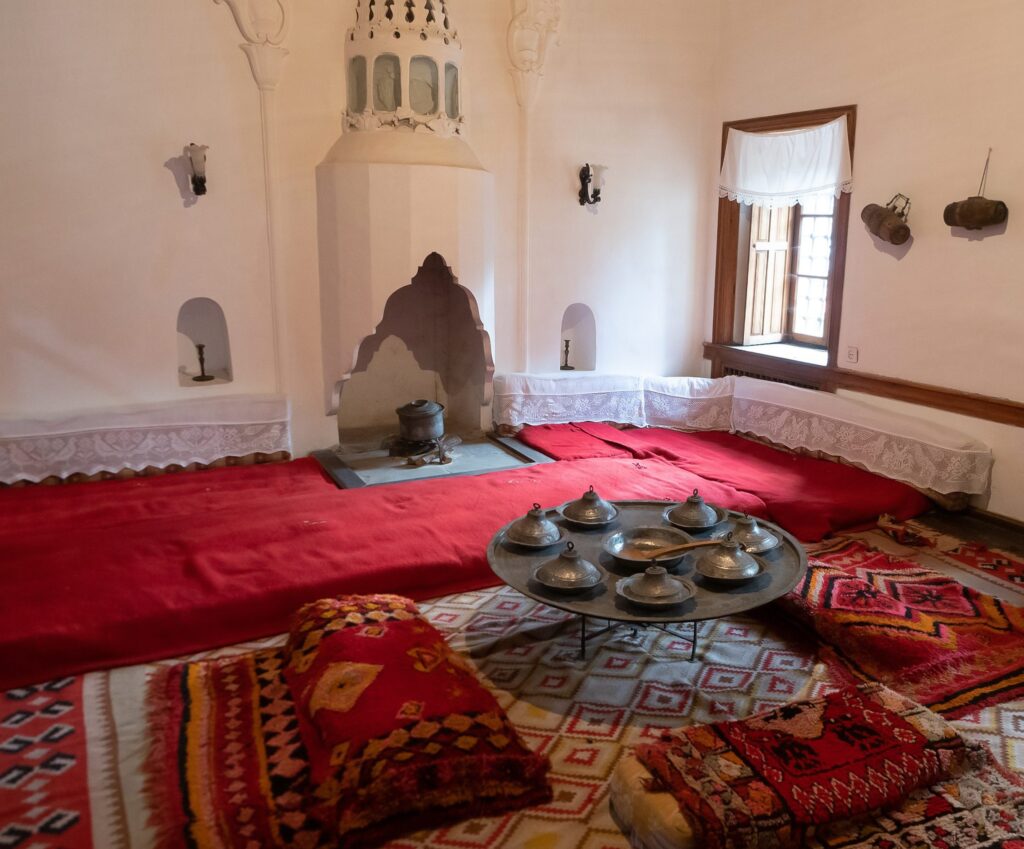
Just down the lane, the Ethnographic Museum is set in an old Ottoman family house with original furniture, a private hammam and the tools families used to make everything themselves, from olive oil to woven cloth. It’s small, but don’t skip it. It gives you a real feel for how a well-off Albanian family lived a couple of centuries ago, and plenty of visitors end up calling it the highlight of Krujë.
The Old Bazaar
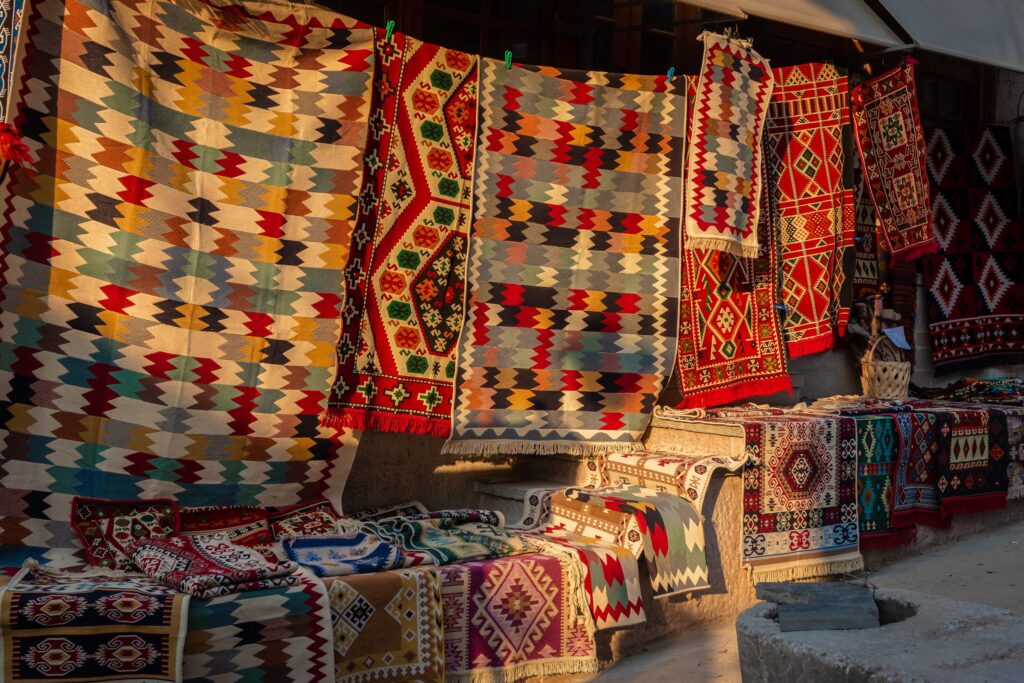
The real fun is the Old Bazaar below the castle: a cobbled lane of wooden shopfronts selling rugs, felt slippers, copperware, filigree and antiques, plus old coins and communist-era memorabilia. Some of it is mass-produced, so take your time and look for the workshops where you can see things being made, like the felt makers and rug weavers. Polite bargaining is perfectly normal.
Lunch with a view at Restorant Bardhi
For lunch, Restorant Bardhi near the castle has big portions, its own farm produce and a view over the hills that you’ll want to photograph a dozen times. Order a few plates to share, take your time, and then roll downhill toward the coast.
Krujë is also only about 30 minutes from the airport, so if you’re flying out on day four, it makes a great last stop on your way out. Otherwise, carry on to Durrës.
Day 4 afternoon: Durrës and the Adriatic
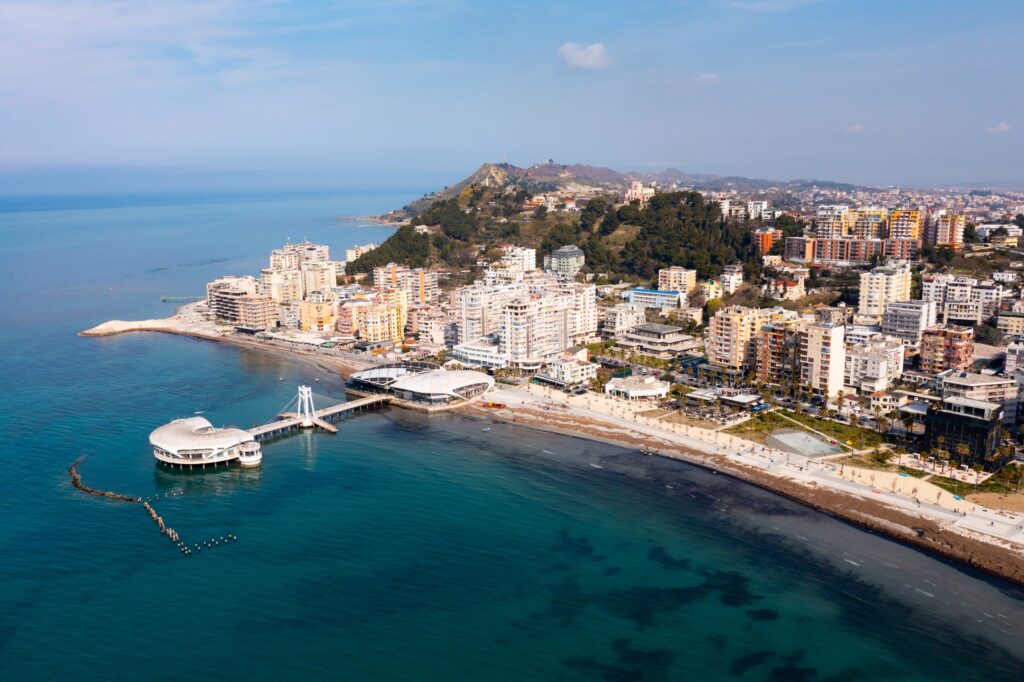
Durrës is Albania’s oldest city and its main port, about an hour from Krujë and 40 minutes west of Tirana. It was founded by the ancient Greeks and later became a major Roman port on the road to Constantinople, so there’s history under almost every street, and these days a lively seafront and a long sandy beach on top.
The Roman Amphitheater
Right in the middle of town, half-hidden between apartment blocks, is a Roman amphitheater from the 2nd century that once held around 15,000 people, one of the largest in the Balkans. It was only rediscovered in the 1960s, by which time houses had been built over part of it, and some of them are still there. Look for the small early Christian chapel built into the arena, where you can still see faded mosaics on the walls.
The Venetian Tower and the seafront promenade
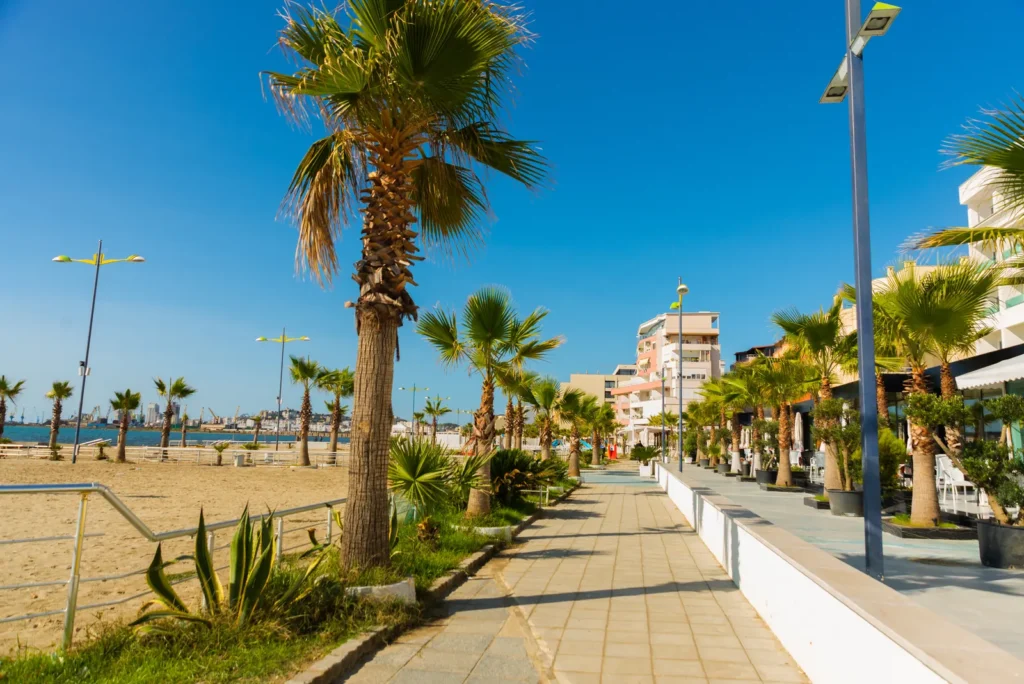
Walk down to the Venetian Tower, a chunky round tower from the old city walls, and then along the seafront promenade. It’s lined with palm trees, ice cream stands and families out for a stroll, and if it’s summer, bring a swimsuit: the beach is right there. Out of season it’s quieter but still lovely, especially at sunset.
Seafood in Durrës
Durrës is all about seafood. Fish House is a local favorite for grilled octopus, red mullet and seafood linguine at very fair prices. Ask what came in that morning and let them guide you.
Got a car and a bit more time? The Cape of Rodon
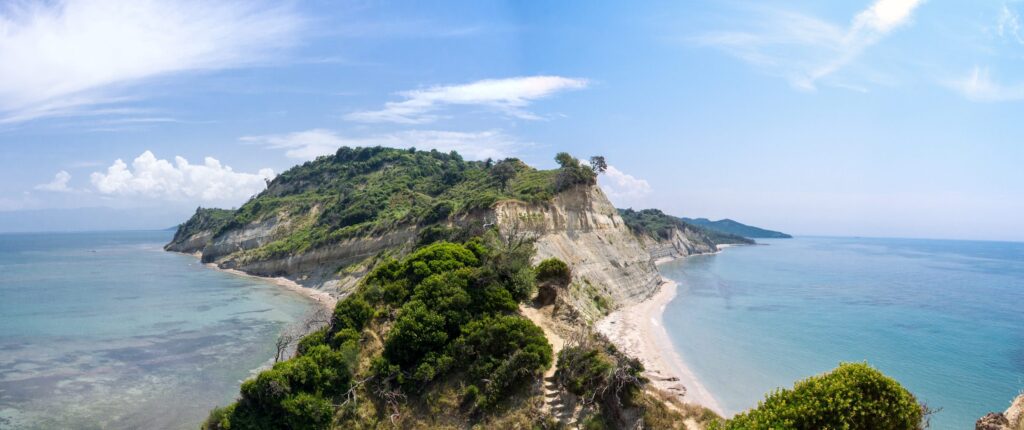
Drive 30 minutes north to the Cape of Rodon, where the ruins of Skanderbeg’s castle and the little Church of St. Anthony sit on a rocky peninsula over the Adriatic. It’s wild, windy and wonderfully empty, and it ties the day together nicely: you started at Skanderbeg’s mountain fortress and you finish at his castle by the sea. On the way back, family-run seafood places along the coast serve a full meal with wine for a lot less than you’d pay in the city.
A farewell dinner in Tirana
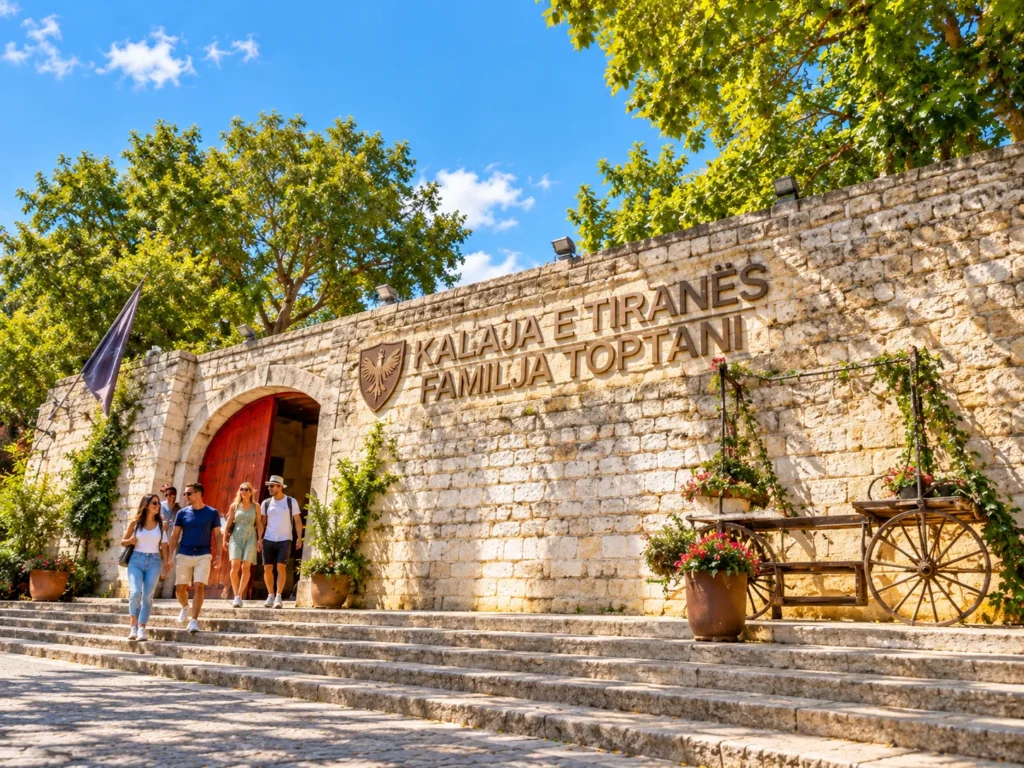
Back in Tirana, make your last dinner a good one. Mrizi i Zanave and Ceren Ismet Shehu, both inside Tirana Castle, are the places for a special farm-to-table meal, with seasonal Albanian cooking built around ingredients from small producers. Book ahead, toast your trip with one last raki, and start planning the next one.
Swap in: Ohrid, North Macedonia
Yes, it’s a different country, and yes, it’s worth it. Lake Ohrid sits on the border between Albania and North Macedonia, and the town of Ohrid on the Macedonian side is one of the most beautiful places in the Balkans: a hillside old town of churches and cobbled lanes running down to a lake so clear you can see the stones on the bottom. The town and lake are a UNESCO World Heritage Site.
It’s roughly three hours each way by car via the Qafë Thanë border crossing, so leave early (by 7:00) and bring your passport. If you’re in a rental car, check it has insurance for North Macedonia (the “green card”) before you go, or book a day tour and let someone else handle the border.
Once you’re there, walk up to Samuel’s Fortress, see the ancient theater, and finish at the Church of St. John at Kaneo, perched on a cliff above the water, the most photographed spot in the country. Then have lunch at Kaneo Restaurant right on the lake and order the trout. With four days, you can swap Ohrid in for Berat, or for the Krujë and Durrës day if you’ve already seen the coast.
Tips for 4 days in Tirana
- Do the city first: the history from the museums and the Albanian Night show makes Krujë and Berat much more interesting, because you’ll recognize the names, the costumes and the stories.
- Plan around Tuesday: that’s when the Dajti cable car is closed, so make sure Day 2 lands on another day of the week.
- Book Albanian Night early: shows run nightly at 19:00 but often sell out, especially in summer and on weekends.
- Rent a car for days 3 and 4: it gives you the most freedom to stop for photos and add detours like the Cape of Rodon. Driving in Tirana is chaotic, but the main roads to Berat, Krujë and Durrës are in good shape.
- Or let someone else drive: day tours to Berat, Krujë and Durrës (often combining Krujë and Durrës) come with hotel pickup and a local guide, and buses are cheap if you don’t mind going slower.
- Carry some cash: cards are widely accepted in Tirana, but smaller restaurants, bazaar stalls and taxis outside the city often prefer Albanian lek.
- Shop in the city, not just the bazaars: our guide to the best places to buy Tirana souvenirs has the shops with genuinely handmade pieces.
FAQ
Is 4 days in Tirana too long?
No. With 4 days you can see Tirana properly in two days, at a relaxed pace, and use the other two for day trips to Berat, Krujë and Durrës. Because you stay in the same hotel the whole time, it never feels rushed.
What are the best day trips from Tirana?
Berat, Krujë, Durrës, Shkodër and Lake Bovilla are the most popular day trips from Tirana. Berat is the most rewarding, Krujë is the easiest at under an hour away, and Krujë and Durrës combine nicely in one day. Ohrid in North Macedonia is a longer but very rewarding option.
How many nights should I stay in Tirana?
Three or four nights is ideal if you want to combine the city with day trips. For a city-only visit, one or two nights is enough; see 2 days in Tirana.
Do I need a car for this itinerary?
Not for days 1 and 2, which are all walking and short taxi rides. For the day trips, a rental car gives you the most flexibility, but organized day tours and buses work well too.
Can you visit Ohrid as a day trip from Tirana?
Yes, but it’s a long day: about three hours each way with a border crossing. Leave by 7:00, bring your passport and, if you’re driving a rental car, make sure it’s insured for North Macedonia.